Get Basement Walls Waterproofing
Basement walls waterproofing services help property owners prevent water intrusion, mold, and damage in projects like foundation repairs, basement finishing, or new construction.
Property owners considering basement improvements or repairs often explore waterproofing solutions to protect their investment and maintain a safe, dry living environment. Properly waterproofed basement walls can help prevent moisture intrusion, reduce the risk of mold growth, and safeguard against structural damage caused by water infiltration. Whether planning a renovation, addressing existing issues, or simply aiming to enhance property value, connecting with experienced local contractors can provide valuable insights and tailored solutions suited to specific needs.
Comparing options among local service providers allows property owners to assess the range of waterproofing techniques and expertise available in the area. Many local contractors specialize in basement wall waterproofing, offering practical approaches to address common challenges faced by homeowners and commercial property owners alike. Continuing to explore these options can help ensure that the chosen solution aligns with individual project goals and the unique conditions of the property.
- Basement Wall Sealing - when homeowners notice dampness or efflorescence on basement walls.
- Crack Repair - if cracks in basement walls are allowing water intrusion or worsening over time.
- Waterproofing Membranes - to prevent water seepage in basements prone to flooding or high groundwater levels.
- Interior Wall Waterproofing - when interior walls show signs of moisture or mold growth due to basement leaks.
- Exterior Wall Waterproofing - for properties experiencing persistent basement dampness despite interior measures.
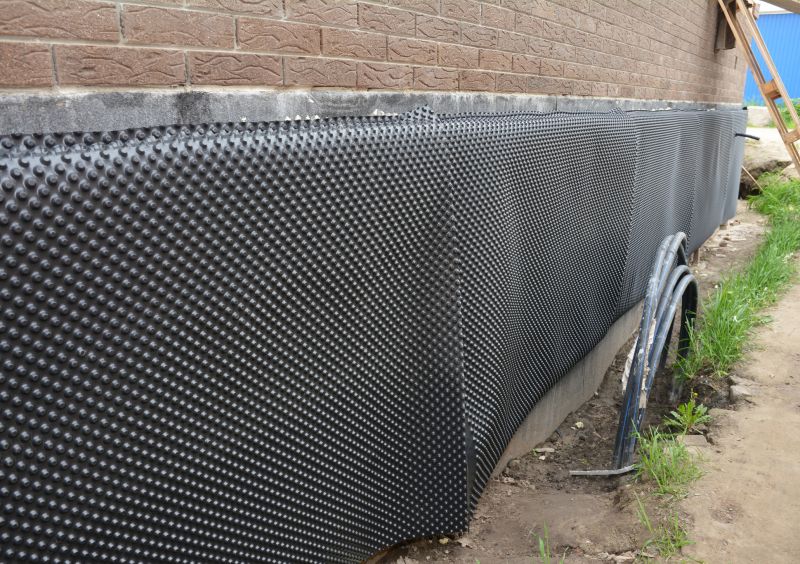
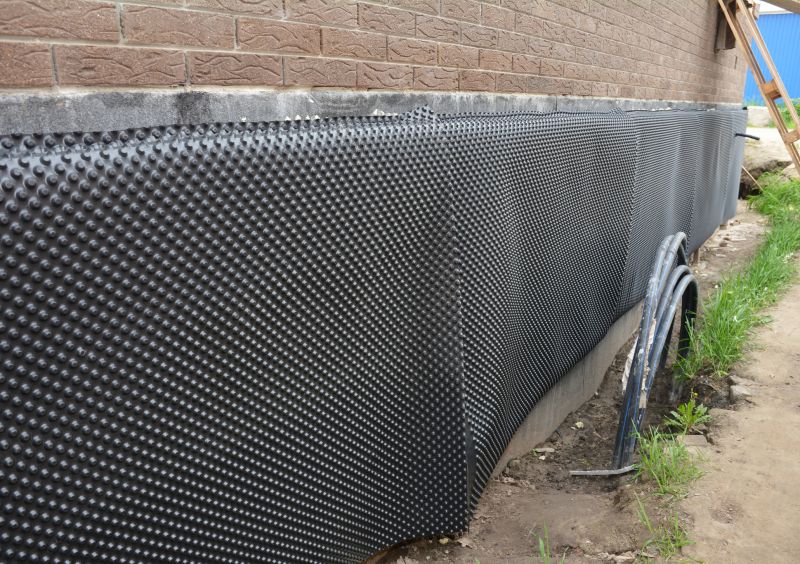
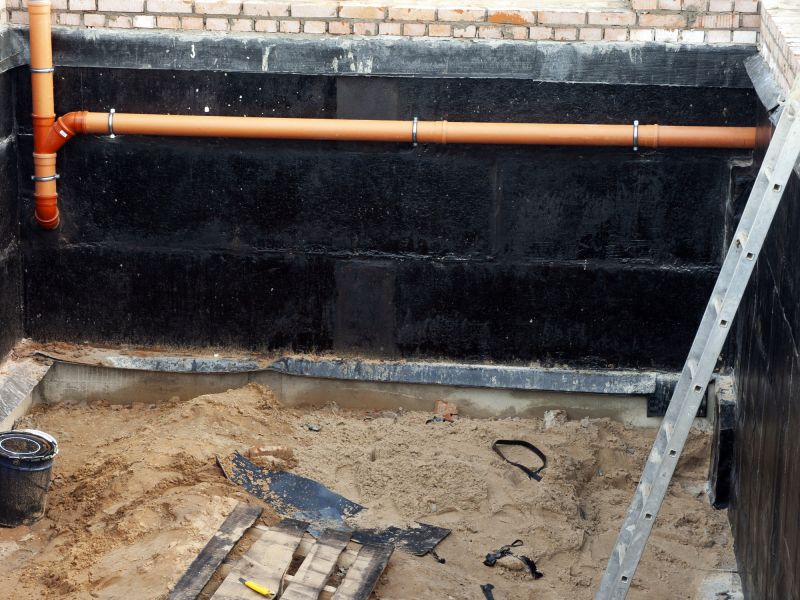
Basement walls waterproofing services focus on protecting the foundation of a property from water intrusion. This process typically involves applying specialized sealants, installing drainage systems, or adding barrier membranes to prevent water from seeping through basement walls. Proper waterproofing helps maintain a dry and stable basement environment, reducing the risk of water damage, mold growth, and structural deterioration. Homeowners often seek this service when they notice signs of moisture, such as dampness, discoloration, or a musty odor, or when planning renovations that require a dry foundation.
These services are essential for addressing common problems associated with basement water issues. Excess moisture can lead to peeling paint, warped walls, and compromised insulation. Persistent leaks may cause mold and mildew, which pose health concerns for occupants. Water infiltration can also weaken the foundation over time, leading to cracks or settling that threaten the stability of the entire property. Basement waterproofing helps resolve these issues by creating a barrier that keeps water out, ensuring the space remains dry and structurally sound.
Properties that typically benefit from basement walls waterproofing include single-family homes, townhouses, and multi-unit residential buildings. Homes built in areas with high water tables or frequent rainfall are especially vulnerable to basement moisture problems. Additionally, properties with existing cracks or signs of water intrusion are prime candidates for waterproofing services. Commercial buildings and rental properties may also require waterproofing to protect their investment and prevent costly repairs down the line. Local contractors can assess the specific needs of each property and recommend appropriate waterproofing solutions.
When considering basement walls waterproofing, homeowners should look for local service providers experienced in handling various foundation types and water issues. These professionals can evaluate the condition of the basement walls, identify potential problem areas, and recommend effective solutions tailored to the property. Proper waterproofing not only safeguards the home’s foundation but also helps create a healthier indoor environment. Contacting experienced local contractors can provide peace of mind, knowing that the work will be handled by experts familiar with the specific challenges of the local area.
The overview below groups typical Basement Walls Waterproofing projects into broad ranges so you can see how smaller, mid-sized, and larger jobs often compare in your area.
In many markets, a large share of routine jobs stays in the lower and middle ranges, while only a smaller percentage of projects moves into the highest bands when the work is more complex or site conditions are harder than average.
Smaller Repairs - Typical costs for minor basement wall repairs usually range from $250 to $600. Many routine patching or sealing jobs fall within this range, depending on the extent of the damage and local rates.
Waterproofing Coatings - Applying waterproofing sealants or coatings generally costs between $1,000 and $3,000 for most homes. Larger or more complex projects can reach $4,000 or more, though many jobs stay within the middle of this range.
Full Wall Replacement - Complete replacement of basement walls can cost from $5,000 to $15,000 or higher. These projects are less common and tend to be reserved for extensive damage or structural concerns.
Foundation Waterproofing - Comprehensive foundation waterproofing services typically range from $10,000 to $30,000. While larger, more involved projects can exceed this, most local contractors handle standard waterproofing within the middle of this spectrum.
Actual totals will depend on details like access to the work area, the scope of the project, and the materials selected, so use these as general starting points rather than exact figures.
Foundation Repair Projects - foundation repair involves assessing and strengthening structural elements, similar to waterproofing basement walls to prevent moisture intrusion and damage.
Crawl Space Encapsulation - encapsulation requires sealing and insulating crawl spaces, sharing skills in moisture control and vapor barrier installation with basement wall waterproofing.
Basement Finishing Projects - finishing basements involves moisture mitigation and wall preparation, which are essential components of effective waterproofing solutions.
Concrete Wall Restoration - restoring and repairing concrete walls involves surface preparation and sealing techniques comparable to waterproofing methods used on basement walls.
Drainage System Installation - installing interior or exterior drainage systems requires planning and skills in moisture management, closely related to waterproofing basement walls.
Retaining Wall Construction - building retaining walls involves soil stabilization and waterproofing considerations, utilizing similar planning and construction skills as basement wall waterproofing.
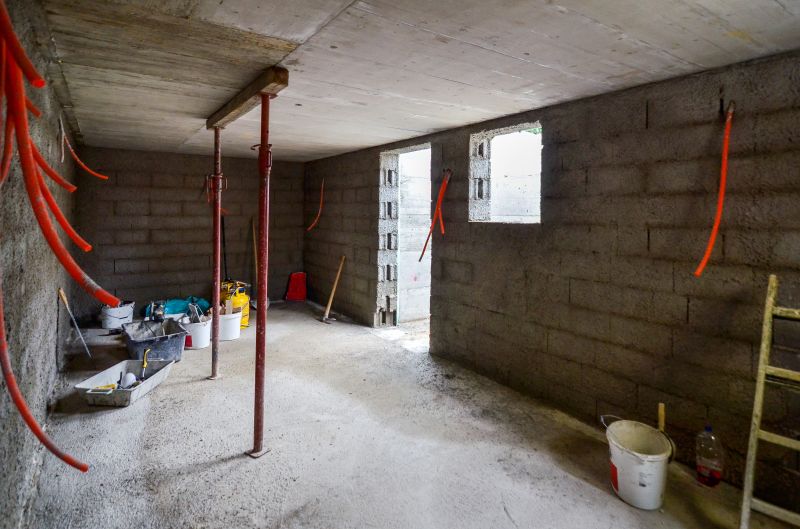
When comparing local contractors for basement wall waterproofing, it is important to consider their experience with projects similar to your own. Homeowners should look for service providers who have a proven track record of handling basement waterproofing in homes with comparable foundation types or issues. An experienced contractor is more likely to understand the nuances of different basement conditions and recommend solutions that are effective and durable, reducing the risk of future problems.
Clear, written expectations are essential when evaluating potential service providers. Homeowners should seek contractors who can provide detailed descriptions of the proposed work, including the scope, methods, and materials involved. Having this information in writing helps ensure everyone is on the same page and provides a reference point to avoid misunderstandings. Well-defined expectations also make it easier to compare different options and choose a contractor who aligns with the homeowner’s needs and preferences.
Reputable references and good communication are key indicators of a reliable service provider. Homeowners are encouraged to ask for references from previous clients who had similar work completed. Speaking with past customers can provide insights into the contractor’s professionalism, quality of work, and ability to meet deadlines. Additionally, service providers who communicate clearly, respond promptly to inquiries, and are transparent about their processes tend to deliver a smoother experience. The site serves as a resource to connect homeowners with local contractors who meet these criteria, helping to facilitate informed decisions for basement waterproofing projects.
Property owners use Basement Walls Waterproofing services for practical projects around their homes and businesses. This guide focuses on everyday jobs and straightforward project options.
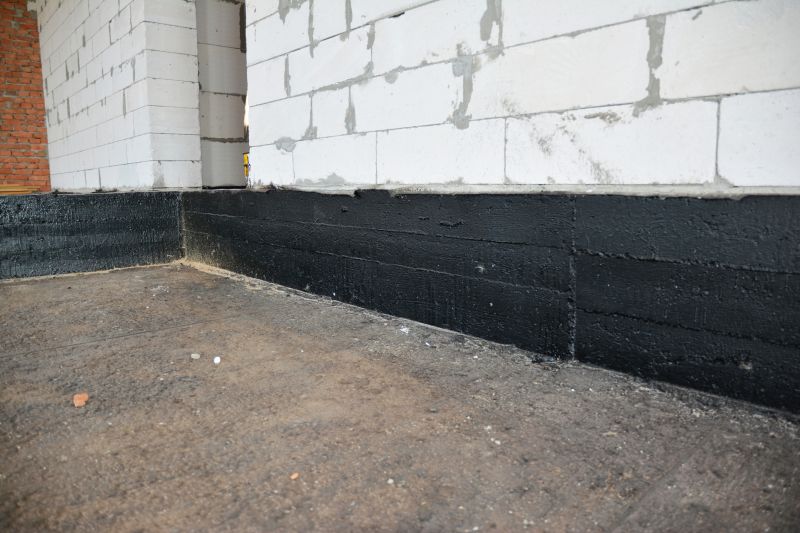
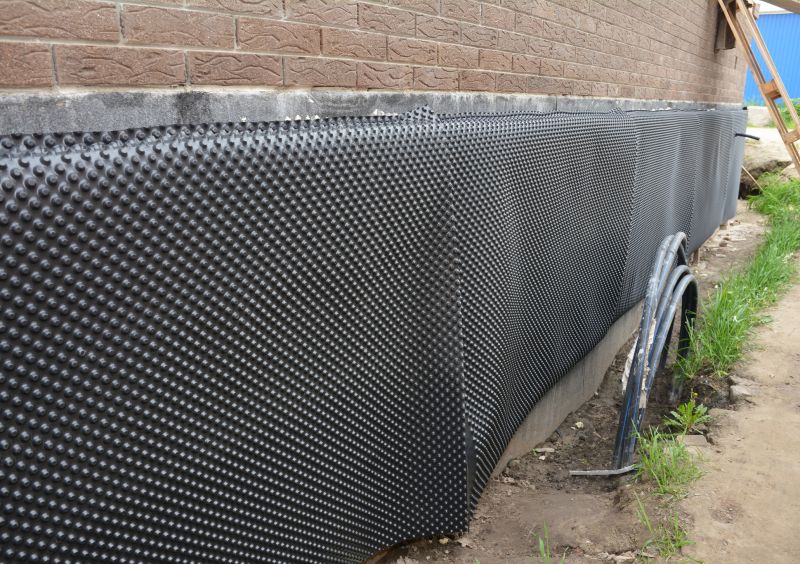
Basement wall waterproofing services are commonly needed by property owners dealing with persistent dampness, water seepage, or mold issues in their basements. These situations often arise after heavy rains or seasonal changes that cause groundwater levels to rise, leading to moisture infiltration through basement walls. Local contractors can provide solutions to help prevent water damage, protect structural integrity, and maintain a healthier indoor environment.
Homeowners may seek waterproofing services when they notice cracks, peeling paint, or musty odors in their basements, signaling potential water intrusion. Whether preparing for seasonal storms or addressing ongoing moisture problems, property owners turn to local service providers who specialize in sealing basement walls, installing drainage systems, or applying protective coatings. Connecting with experienced local contractors can help ensure these common issues are managed effectively.
What are common signs of basement wall leaks? Signs include visible water stains, mold growth, efflorescence, and musty odors indicating moisture intrusion in basement walls.
How do waterproofing services protect basement walls? They typically involve sealing cracks, applying waterproof coatings, and installing drainage systems to prevent water from penetrating basement walls.
Can waterproofing improve basement wall durability? Yes, proper waterproofing can help reinforce basement walls and reduce damage caused by water infiltration over time.
What types of basement wall materials are suitable for waterproofing? Common materials include concrete, cinder block, and poured concrete walls, all of which can benefit from appropriate waterproofing methods.
How do local contractors assess basement wall waterproofing needs? They evaluate the condition of the walls, identify sources of moisture, and recommend suitable waterproofing solutions based on the specific situation.
Basement Wall Sealing - Protect basement walls from moisture intrusion to prevent dampness and mold growth in everyday living spaces.
Crack Repair Solutions - Fix small cracks in basement walls to maintain structural integrity and avoid water leaks during heavy rains.
Drainage System Installation - Improve water flow around the foundation with proper drainage to reduce basement flooding risks.
Waterproof Coatings - Apply protective coatings to basement walls to create a barrier against water seepage and enhance durability.
If you are thinking about Basement Walls Waterproofing for a property, this guide is meant to help you understand the work, the typical project types, and how different options might fit your plans.
When you are ready, you can use the quote form on this page to share a few details about your project. From there, local pros can review the basics and respond with options that match what you have in mind.